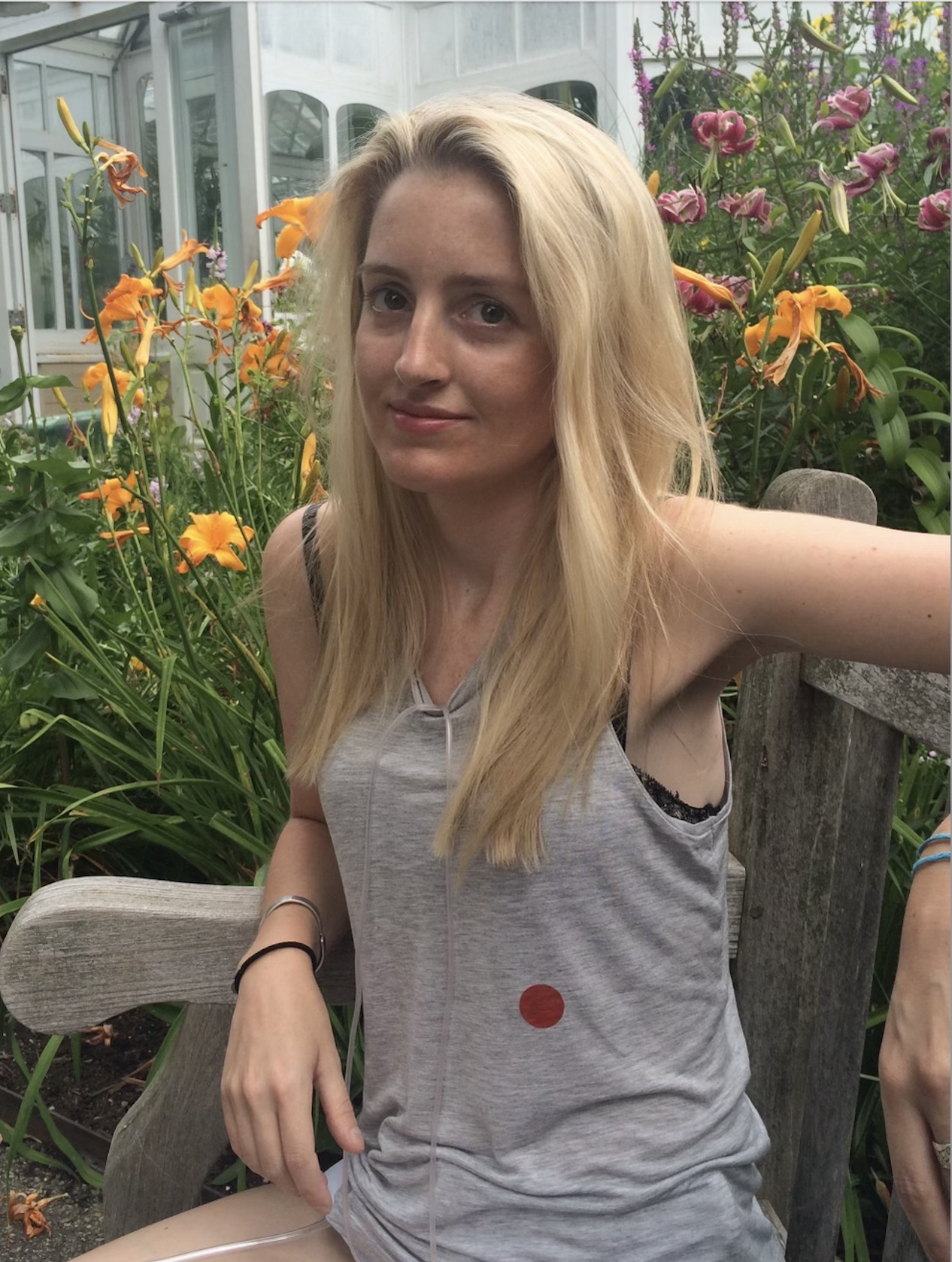
Last night we received what could have been miraculous news. A good friend’s dear young cousin died suddenly. The family wanted to donate the organs. The cousin was the same size (5’3″) and blood type (O+) as Caitlin. They did what’s called a direct donation, specifying that they wanted the lungs to go to Caitlin O’Hara at UPMC.
Everything went into motion.
Transplantation involves a lengthy set of procedures that take time. The donor lungs have to be assessed several times, at the donor site, for the initial “looks good, let’s continue” sign. When the UPMC team gets the okay, two UPMC fellows fly to the donor location to do the rest of the tests.
Unlike the previous “dry run,” these lungs looked initially promising. We were fiercely hopeful.
At 7:45 am, as all pre-op activity was happening, Caitlin’s surgeon came in with the news that the donor lungs could not be used, in anyone. The donor had been a longtime heavy smoker, and even though many successful donors have been smokers, these particular lungs had some damage, as well as some pneumonias, that meant they could not be used.
We were devastated. Everything seemed to be pointing to this as positive for Caitlin’s life, and positive for the donor family, to give them some comfort.
There had been a snag, though, in the middle of the night. As I mentioned yesterday, when Caitlin was switched to the arterial ECMO, they had difficulty placing the new cannula in her left leg. They were keeping a close eye on it.
In the middle of the night, it was clearly bleeding too much. She had to go into the OR and have them switch the cannula to her left leg. She lost a lot of blood. It took hours to deal with this.
At this point, they would have gone ahead with the surgery but it would have been much riskier, and much bloodier, with her blood so thin.
Now it is absolutely essential that she get back to a stable place, so she can receive another offer. She’s being given a lot of blood products to get her blood healthy and coagulating again.
That’s what we must pray for. Continued stability. And another offer, soon.
Direct donations are a wonderful thing in a terrible time. We will be forever grateful to our good friend, for thinking about Caitlin in the midst of grief for his beloved cousin. As desperate as it sounds—-and it’s hard for us to put it into words—please keep Caitlin or another needy person in mind if you or someone you know is forced to make a difficult decision about a loved one. When Nick’s beloved brother Willie died at age 29, his organs saved 7 people.
I wish everyone could stand by Caitlin’s bedside right now and see how truly important it is to increase organ donor awareness. Just one week ago, I brought Henry into her room. We helped her take a shower. She was smiling and happy. Now she is in and out of consciousness, full of garden-hose sized cannulas, IV lines, monitors. She didn’t deserve this. She worked so hard, for over 2 1/2 years, to eat well, and exercise to her ability, to do everything possible to keep herself as healthy as possible for transplant.
Organ donor awareness is essential.
Our hearts are breaking but we continue to hope.
–Maryanne, with Nick


